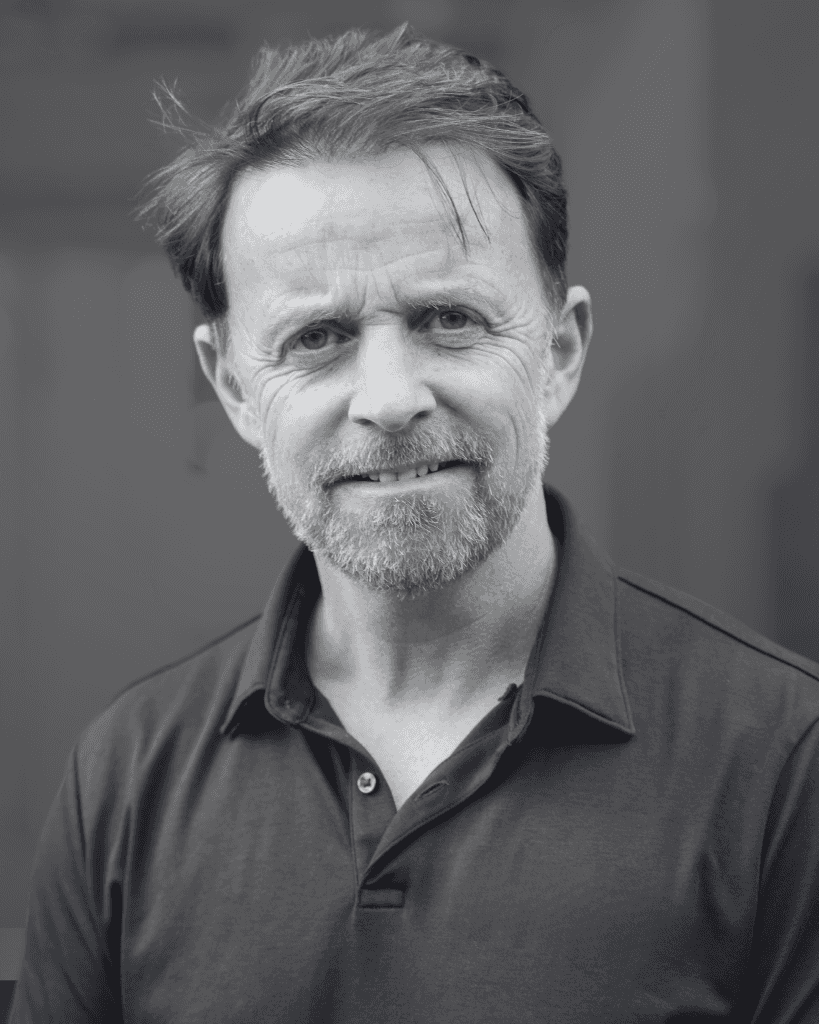



Founding Director ·
Part 3: Augmenting Your Future Workforce
Most organisations are still trying to change culture, capability, and performance with learning and leadership models built for another time. I’ve seen this up close, in many forms, across many settings. The intent is often good. The results rarely are.
Augmenting Your Future Workforce is about behaviour. Not knowledge. Not intention. Not senior role-modelling. Behaviour is the unit of transformation. If behaviour does not change, nothing else does.
Learning only pays when design, delivery, measurement, and reinforcement are treated as one system. Not as projects. Not as events. These posts draw on more than 25 years spent in high-pressure environments, where performance is visible and failure has a cost. They challenge some comfortable ideas about leadership, training, and culture, and focus instead on what works when performance actually matters.
Why Most Training and L&D Programmes Fail Quietly
After twenty-five years designing and delivering organisation-wide learning—often in complex, high-pressure environments—I’ve reached an uncomfortable conclusion:
Most learning initiatives are either set up to succeed, or quietly built to fail, long before the first person logs in or walks into a room.
Failure rarely looks dramatic.
There are no headlines. No collapse.
It is polite. Orderly. Courteous.
People attend. Content is delivered. Feedback is positive. Completion rates are reported. The programme is closed.
And almost nothing changes.
That is quiet failure.
The Comfort of Activity
In many organisations, training has become motion mistaken for progress. Programmes are designed. Cohorts are launched. Success is inferred from attendance lists, usage data, and end-of-course surveys.
People enjoyed it.
Modules were completed.
The initiative “landed well.”
But activity is not impact.
I’ve seen too many programmes praised for being busy and visible while the behaviours they aimed to change stayed exactly the same. People returned to overloaded roles, unchanged systems, and familiar pressure. Old habits came back within weeks.
Not because people didn’t care.
Because nothing around them had changed.
Completion Is Not Competence
One of the most persistent myths in L&D is that completion equals capability.
It does not.
Completion tells you someone was present. It tells you almost nothing about whether they can apply what they learned—under pressure, over time, when trade-offs are real and attention is scarce.
Competence shows up in context. In meetings. On the shop floor. In hard conversations. Under deadlines. When no one is prompting or watching.
Yet most learning systems stop measuring just as things begin to matter.
We reward participation instead of application.
We confuse exposure with skill.
Then we wonder why nothing sticks.
Starved of The Basics
When programmes underperform, it is rarely because the content was poor. It is because the conditions for learning were missing.
The same failure points appear again and again:
- Too little time from senior leaders and managers
- Sponsorship that begins with a welcome video and ends there
- Weak data on what actually needs to change
- Loose or absent links to strategy
- No plan for support once delivery ends
- Over-engineered LMS platforms built for administration, not use
- No budget for coaching, reinforcement, or feedback
- Little understanding of the learner’s real working day
- Rising workloads that work against reflection and practice
In these conditions, learning becomes episodic. Something to get through. Not something to live.
People are too busy being busy to change.
The Execution Gap
Another quiet failure sits between senior leaders and operational managers.
At the top, intent is often genuine. Strategy decks speak of leadership and culture. But by the time learning reaches the front line, it competes with targets, costs, and firefighting.
An execution gap opens.
Managers attend programmes but are not resourced to support them. Cohorts are launched but rarely followed through. Outcomes agreed during design fade once delivery begins. Sponsorship becomes symbolic.
No one is acting in bad faith.
Responsibility simply dissolves.
Everyone agrees in principle.
Few are accountable in practice.
Profile Over Progress
At executive level, learning initiatives can drift into politics and visibility.
When leaders are rewarded for profile and short-term wins, long-term capability struggles to compete. Staying engaged with learning by removing obstacles and reinforcing expectations, rarely feels urgent.
But leadership is not personal success.
It is creating the conditions for others to succeed.
When executives are too busy to do that, the system notices.
Simple Interventions In Complex Systems
Organisations are complex, friction-filled systems. Learning competes with scarce attention and constant change. In that reality, the answer is not more content, more platforms, or more initiatives. It is better design.
Small, focused interventions. Clear behavioural expectations. Support that fits the work. Reinforcement close to the moment of action. Measurement that looks at quality and outcome, not volume.
And empathy, for what it feels like to be asked to change while everything else stays the same.
A Harder Truth
Most training does not fail because it is poorly intentioned.
It fails because it is under-resourced, under-supported, and overly optimistic about what individuals can sustain alone.
If we are serious about culture, capability, and performance, we must stop defending models that reward activity over impact. Learning is not an event. It is a system.
And systems either support behaviour change, or quietly crush it.
In the next post, I’ll explore what it takes to design learning that survives contact with reality, and why small habits, properly supported, beat grand programmes every time.
If learning is meant to change behaviour, it has to survive the real-world. Follow the series to discover what actually makes that happen