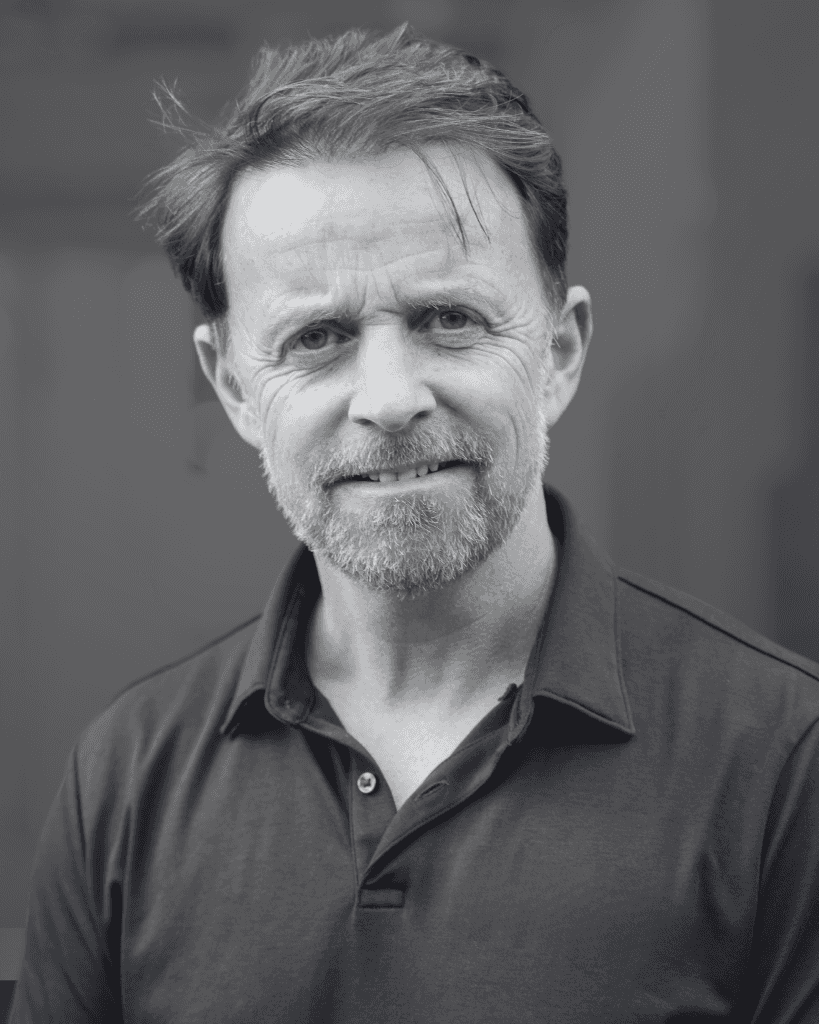



Founding Director ·
Reflections — the twelfth in the Augmented Leadership series
In the last post I talked about learning and systems: when learning isn’t a system, it’s just a series of disconnected events, and value leaks out of it. In much the same way, sustainment and execution are the sharp end of any learning and development system. This is where things get delivered, where things start to change, where commitments turn into actions and real progress becomes tangible.
The space between intent and action
There’s a huge gap between intent and action. On a personal level we may well have the right intent, but the actions don’t necessarily follow.
When you set up a system of learning within your operating model, there’s a real need to set the expectation that the programme is only the precursor to executing on that intent. From a learning and development perspective, that links to the goals people set before they come on the programme, as we discussed in previous posts, and to how those goals get supported and implemented in the flow of work.
Many years ago I wrote an article called The Execution Gap. The difference between the content and the experience of a programme, set against the reality of the system people were going back into, was so large that the value simply dissipated — or was suboptimal, or was diluted by the everyday pressures of work and deliverables.
Misdiagnosed “resistance”
Then there’s the misdiagnosis of resistance. Some organisations fail to set the system up for success and then expect heroic levels of commitment and leadership, because that is what it would take. The system isn’t geared to support people to implement their learning, so what gets read as resistance may be nothing of the kind: it is simply very difficult to deliver anything in a system that isn’t set up to encourage learning and ongoing improvement.
So, as with the previous post, premeditated action — understanding how the system can be geared to support learning and implementation — is absolutely key.
Execution as a capability
Execution is a skill. Getting things done in large, complex organisations takes a whole range of skill sets, and the commitment not to give up at the first hurdle. It takes an understanding of the informal networks you need to tap into to get people to do things they wouldn’t necessarily do if you asked them formally. Understanding those informal networks of power is critically important to getting anything done at all.
Execution doesn’t happen as a natural outcome of any learning programme. It has to be supported and encouraged, and there has to be a large element of individual resolve — which links straight back to the quality and the power of the goals people set themselves at the beginning. If the goals aren’t motivating and inspiring enough, the chances are the implementation will fall by the wayside at the first sign of resistance. They need to be motivational and inspirational enough to push through the noise.
As the world gets ever more complex and unpredictable, there has never been a stronger need for clear intent to guide and focus action — and to motivate it. Intent that is motivating enough to inspire individuals to get things done, and to wake the organisation up to the reality of the situation it is in, rather than sleepwalking into the next quarter.
Honest conversations about delivering require focus, and they require a support system — a sustainment system — for effective execution. Otherwise execution disappears into the gap between intent and action.