

leadership coach ·
Simple things done well with others.
“My best experiences are feeding and caring for our animals; carrying bananas on my shoulders and mashing maize on rocks. It is such simple things when done well with others that are the best part of being a caciqua.”
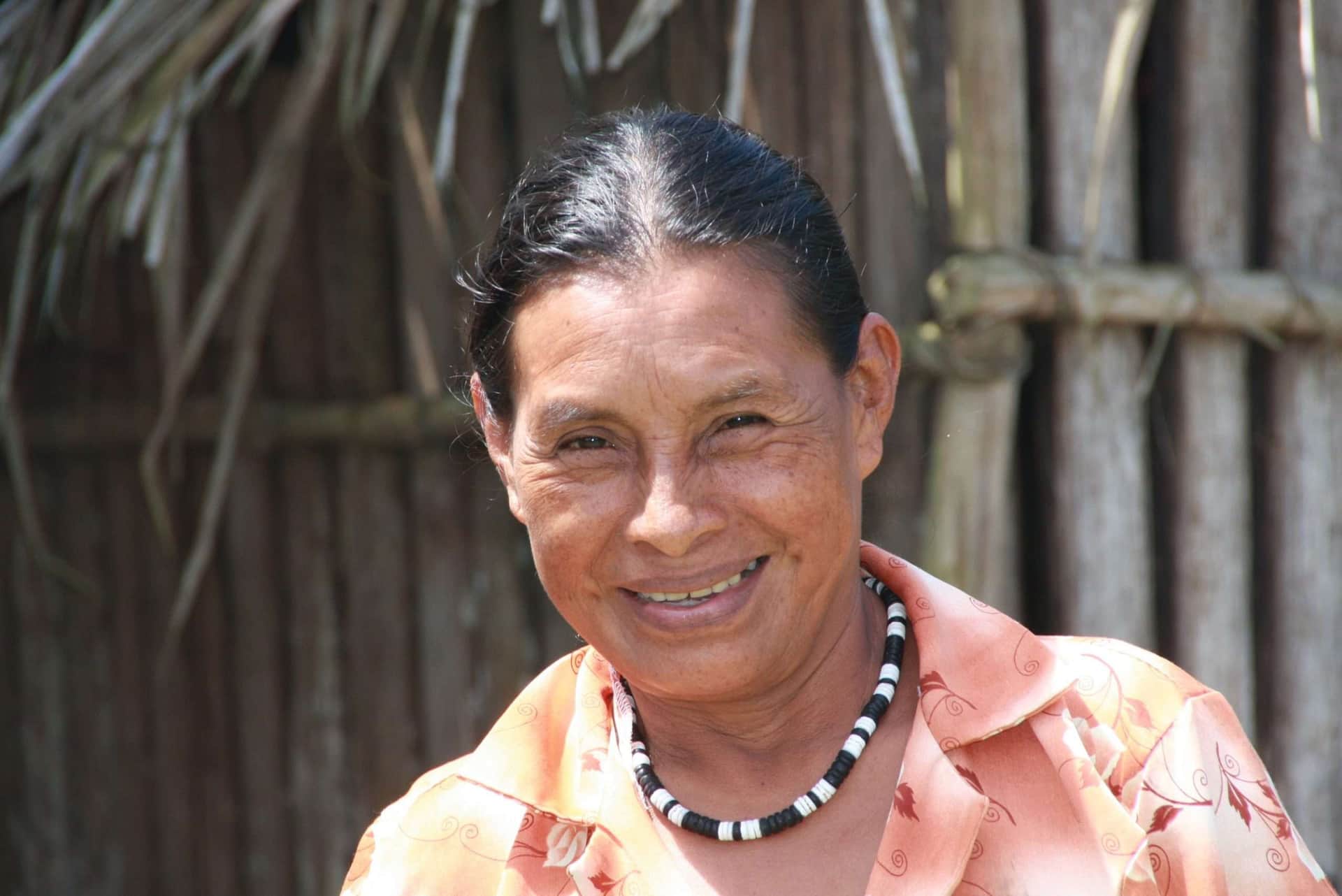
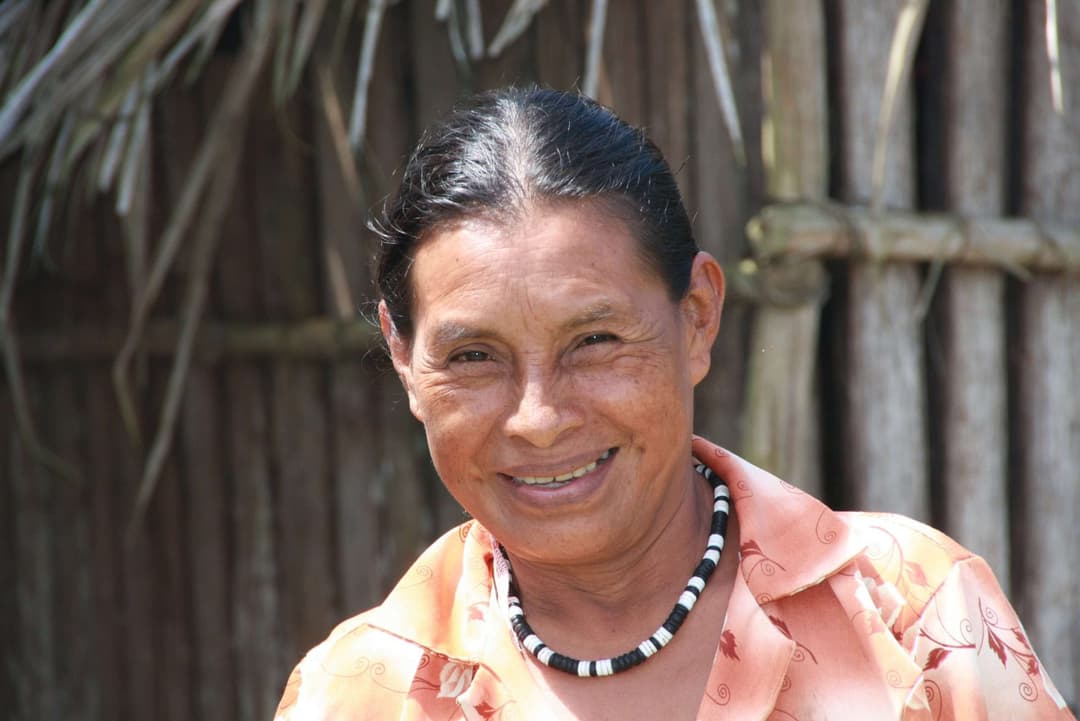
Donia Silvia’s smile and soft gaze were comforting and assuring as she continued to explain her life as the caciqua, or chief, of the Jameikari clan of the Cabecar.
I had come to the mountainous rainforests of Limon Province in Costa Rica in 2011 to research the Cabecar communities located there. Silvia was in her eighties even then, although she looked considerably younger. Neatly dressed in a pink shirt and dark skirt, she sat outside of her palenque, as chickens rooted around her feet. She went on to explain that leadership for the Cabecar is about a kind, gentle and guiding influence. A core facet of Cabecar leadership is sustaining the culture that secures their relationship with the forest; a culture stewarded by Cabecar women who “carry it like a baby”. As I looked out at the surrounding rainforest, I reflected on how Silvia’s memories of finding joy in “simple things done well with others” perfectly distilled leadership as I understood it. For her it was about connecting, listening and being with her people to understand their individual aspirations and needs and to support them accordingly.
This was my fifth expedition to the country and on each occasion I had been accompanied by Urbano, Donia Silvia’s son. We had walked and kayaked from the Pacific to the Caribbean coast the previous year and during this time, we planned that I would come to spend time with his clan to deepen my understanding of what it means to be a Cabecar. We had decided that as part of this experience, I would complete a truncated version of the process that represents the transition from boy to adult, a traditional rite that has been slowly fading away. A little time later, with Silvia’s words in my head, I shouldered my pack and headed off into another part of the forest to begin my initiation, under Urbano’s care.
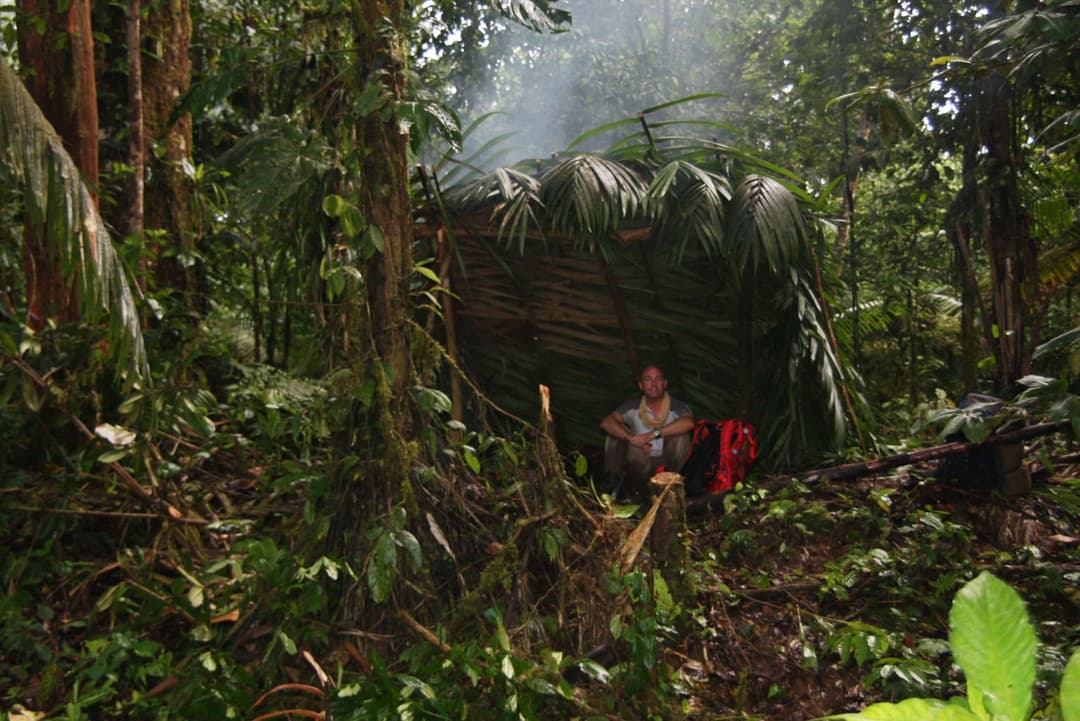
Over the next ten days, we lived off the forest and I was not allowed to see anyone other than Urbano. Our supplies were restricted to bananas, coffee, sugar and salt, as well as lighters, machetes, fish hooks, cups and a cooking pot. The rest of what we needed we hunted, collected and created from the forest. Our first task was to build our shelter and that evening, as we sat under its thatch, Urbano spoke of the traditional Cabecar creation story, “Siboh recruited the spirit Itsoh to help him create the planets, the Sun, the Moon and Earth. When he had shaped each from balls of rolled mud, Siboh instructed him to sing them in to existence and so Itsoh sang and danced through space and the land and the world was born. The same song is sung by us today.”
After this short tale, Urbano taught me the creation song and we sung it to the forest from our small shelter, surrounded by life and accompanied by the percussion of the rain; my initiation had begun. Through the depth of this continuing song that wove through the forest, I came to truly understand that relationships are a felt connection that require purposeful presence in every interaction, whether with people or the forest itself; this insight continues to frame my view of leadership today.
Over the month I spent with the Cabecar that summer, I found that they see leadership as something caring, gentle and supportive that facilitates the growth of others.
Cabecar leadership is selfless; it provides clear strategic direction; builds succession and resilience and yet it remains unflinching in its intimacy.
Urbano’s younger brother, Diego, explained, “the best caciques discuss, explain, teach and never tell or raise their voices. They show understanding, empathy and genuine care. The cacique is an example, cultural reference, natural encyclopaedia and counsellor.”
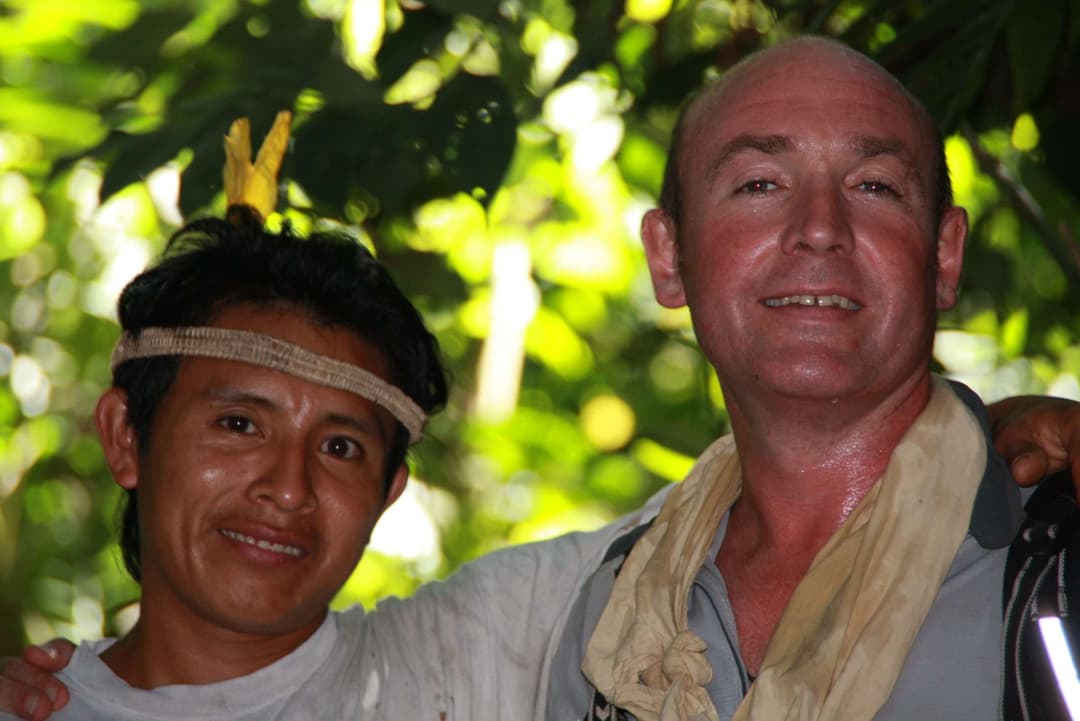
His cousin, Lorenzo, gave a similar response a few days later, “ a good leader is neither man nor woman, fat nor thin, tall nor short. They must never be emotionally tough and they take time to explain our traditions, culture and skills. They visit us in our homes and encourage the community to support one another. They have a gentle, caring, loving relationship with their community and it is what we, the Cabecar, are built upon.”
Interestingly, Cabecar believe that everyone is responsible for these things, caciques are just expected to model them more demonstrably. Deci and Ryan [1] suggest that there are three essential components to motivating others: giving autonomy, creating a sense of belonging and developing competence; three things that lie at the heart of Cabecar culture. However, there is one even more critical element that shapes the daily interactions of every Cabecar man, woman and child and that is ensuring that compassion is never compromised. I find it incredibly hard to articulate the deep shift I experienced as both person and leader, all of those years ago. However, whenever I am wondering how to act in a given situation, I often find myself saying, “just be more Cabecar” and it is not an approach that has ever failed me.
Ready to experience leadership in its purest form?
At Mission Performance we develop leaders and teams who perform under pressure through deep and immersive experiential programmes that embed lasting behavioural change.
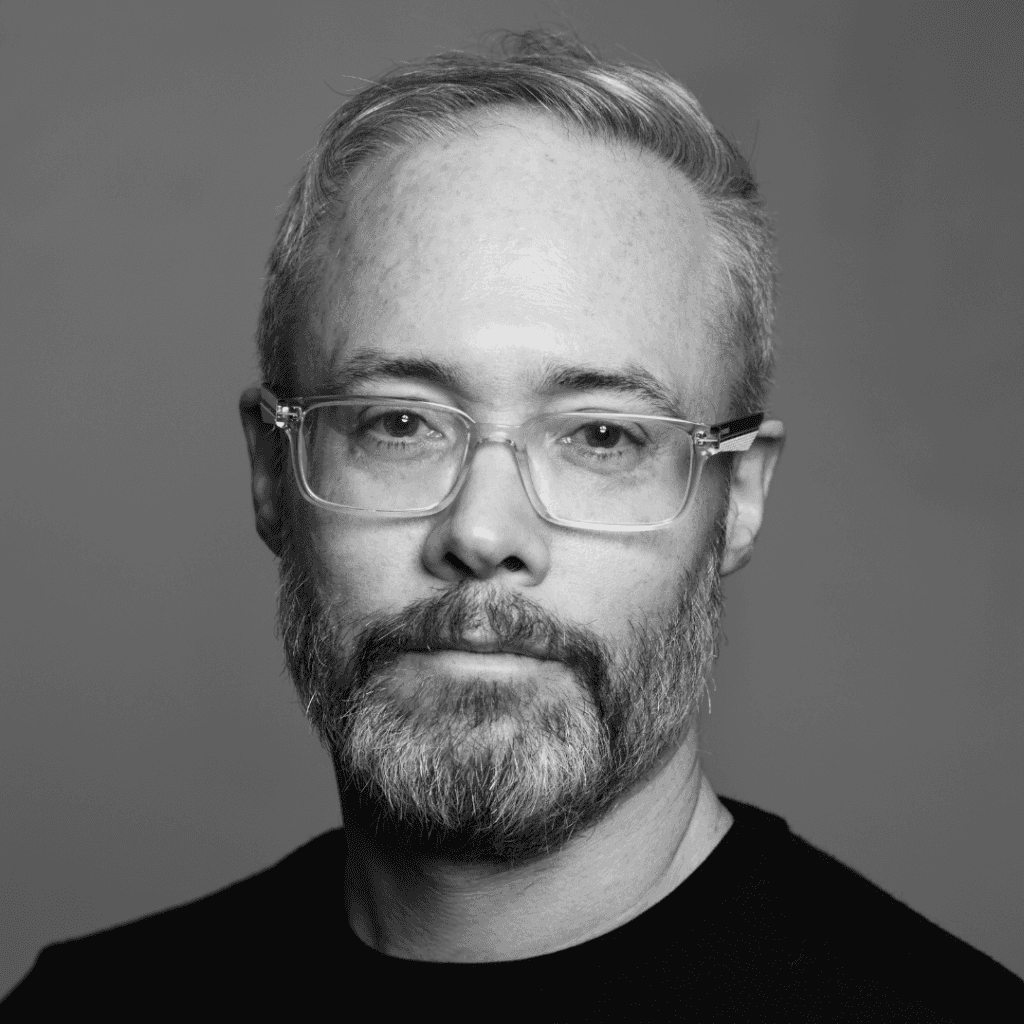
Our facilitators are not theorists, like Justin, they are people who have led in the military, commanded teams in crises, and guided organisations through transformation.
They know what pressure feels like and how to help others thrive in it.
Discover how you can transform your leadership by contacting us today.
[1] Deci, E.L., & Ryan, R.M. (2000). The “what” and “why” of goal pursuits: Human needs and the self-determination of behaviour. Psychological Inquiry, 11, 227-268.