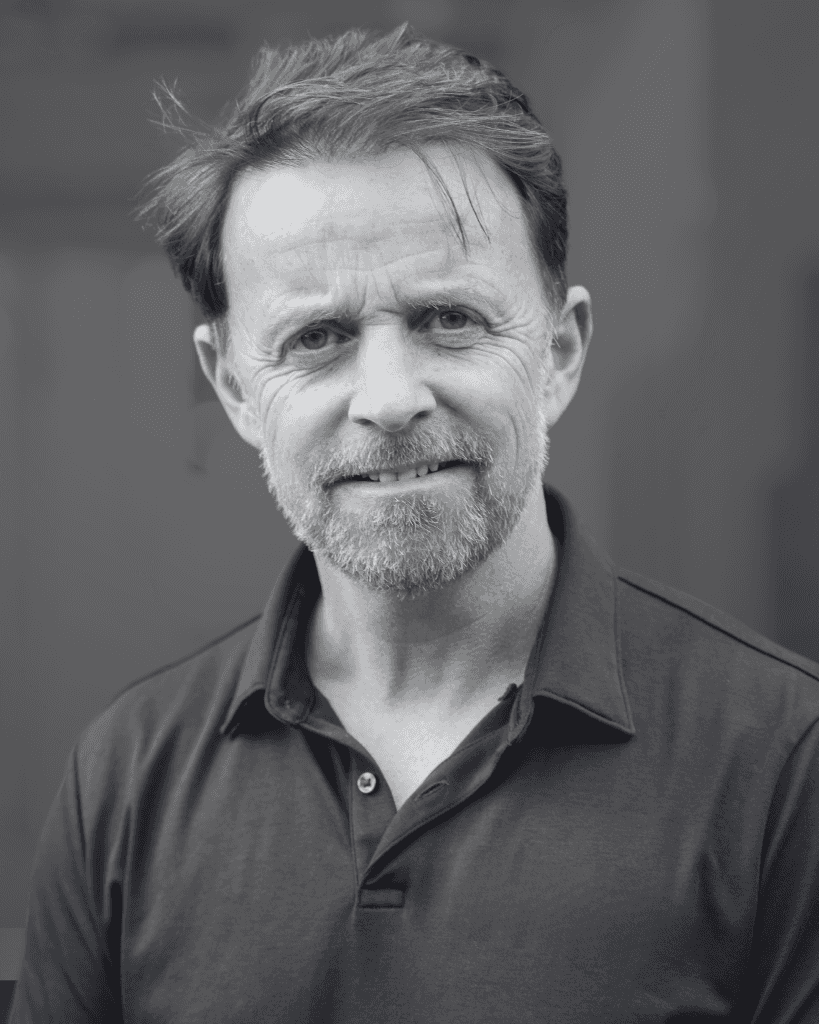



Founding Director ·
Part 1: Augmenting Your Future Workforce
Series Introduction: Augmenting Your Future Workforce
Most organisations are still trying to change culture, capability, and performance with learning and leadership models built for another time. I’ve seen this up close, in many forms, across many settings. The intent is often good. The results rarely are.
Augmenting Your Future Workforce is about behaviour. Not knowledge. Not intention. Not senior role-modelling. Behaviour is the unit of transformation. If behaviour does not change, nothing else does.
Learning only pays when design, delivery, measurement, and reinforcement are treated as one system. Not as projects. Not as events. These reflections draw on more than 25 years spent in high-pressure environments, where performance is visible and failure has a cost. They challenge some comfortable ideas about leadership, training, and culture; and focus instead on what works when performance actually matters.
The System Behind Every High Performer
The Winter Olympics are well underway.
We’ve watched athletes arrive looking calm, sharp, ready. What we haven’t seen is the years of work that made that moment possible. The physios. The coaches. The psychologists. The load plans. The recovery cycles. The quiet conversations between events. The system.
No elite athlete turns up alone.
That fact matters more than we like to admit—especially in business.
This series, Augmenting Your Future Workforce, starts from a simple, uncomfortable truth I’ve learned over twenty-five years working in high-pressure environments:
Elite performance is never an individual act, it is always a system.
Corporate Athletes
I’ve spent time with people in top-tier consultancies.
The parallels with elite sport are obvious if you’re willing to look.
They are Corporate Athletes.
They carry cognitive load instead of physical load.
They’re judged on decision quality, not raw effort.
They perform under scrutiny, ambiguity, and reputation risk.
They operate in long seasons, not short tournaments.
There is no real off-season.
They are selected for talent, trained hard early, and then expected to deliver. Again and again. Under pressure.
In elite sport, we’d say:
“That environment is hostile to long-term performance unless it’s carefully managed.”
In corporate life, we just call it the job.
The Missing Infrastructure
Here’s where the comparison stops being flattering, and highlights a key issue in many organisations.
Elite athletes are surrounded by support.
Corporate athletes are largely left alone with their intellect and resilience.
In sport:
- A performance coach is a given
- Recovery is planned, not improvised
- Psychology is proactive, not remedial
- Load is monitored daily
- Coaching happens between competitions
In most organisations:
- Line managers are biased toward delivery
- Burnout is worn like a badge
- Support appears after things break
- Timesheets replace strain monitoring
- Training happens, then silence
What’s missing isn’t intelligence or motivation.
What’s missing is infrastructure for sustained excellence.
Quiet Performance Decay
Elite sport obsesses over small declines because they compound.
Corporate environments rarely do.
So decline shows up quietly.
Sharp thinkers become cautious.
Judgement narrows.
Safe patterns replace brave ones.
Learning fades because nothing reinforces it on the job.
Performance is judged after the fact, not managed in real time.
It’s the equivalent of asking an Olympic cyclist to train hard, race constantly, diagnose their own injuries; and then acting surprised when they plateau or break.
Between the Big Moments
This is the hinge point of the whole series.
Performance is not created in workshops, offsites, or appraisals.
It’s created between them.
Elite athletes are coached between competitions.
Corporate athletes are mostly left alone between interventions.
That’s where habits form or erode.
That’s where judgement shifts.
That’s where energy leaks.
That’s where standards quietly slip.
And once that happens, no amount of motivation fixes it.
What We Actually Do
Mission Performance doesn’t try to make work softer.
We make it more professional.
We build the support system that elite performance requires.
We design coaching that sits inside the working week, not outside it.
We reinforce behaviour against real work, not theory.
We translate standards into daily actions, not slogans.
In sport, the progression is clear:
talent → system → repeatability.
We apply the same logic.
Behaviour Is The Unit
At Mission Performance we don’t measure sentiment.
We don’t chase engagement scores.
We don’t confuse attendance with readiness.
We focus on observable behaviour under pressure.
That’s how elite sport works.
It’s how performance actually changes.
Coaching at Scale
In sport, 1:1 coaching is non-negotiable.
In business, it’s often priced beyond reach.
That creates a false choice: a few people get support, most are left to cope.
We change that equation.
Coaching stops being reserved for partners or “high potentials.”
Consistency replaces heroics.
Performance becomes cultural, not personal.
Staying With Execution
Elite teams obsess over a simple loop:
prepare → execute → recover → review.
Most organisations stop at preparation.
We stay with execution.
We nudge application.
We reinforce standards.
We support judgement in real scenarios.
We sustain change long after the programme ends.
That’s where performance is either protected—or lost.
A Question Worth Sitting With
If your business were an elite sports team:
Would we accept no physio?
No psychologist?
No recovery plan?
Annual reviews instead of real-time coaching?
Training attendance as proof of readiness?
Of course not.
Yet that’s how most corporate performance systems are still built.
The Bottom Line
Elite performance is not about trying harder.
It’s about being supported better and training smarter.
Mission Performance exists to bring the discipline, realism, and system-thinking of elite sport into environments where judgement, resilience, and sustained performance matter just as much, but are far less protected.
That’s not a luxury, it’s how excellence is actually sustained.
In the next pieces, I’ll explore learning design, execution gaps, and why most performance initiatives fail quietly, even when everyone means well.